
CINEMATOGRAPHY DIPLOMA
Master the camera and visual storytelling… [+]
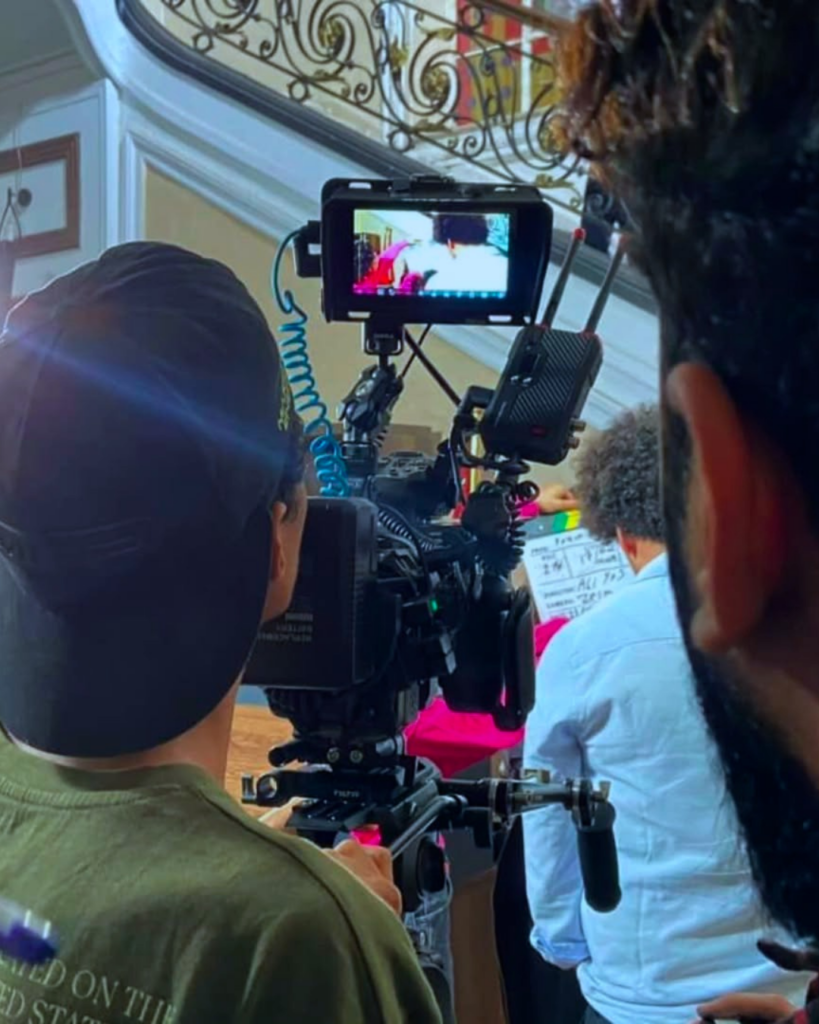
Course Overview
1. Cinematography Content
Explore the essentials of light in cinematography, including its types and sources.
Understand complementary lighting, backlighting, and the significance of lighting layers.
2. The Drama of Light
Learn to control and manipulate light to add emotional depth to your scenes.
Engage in practical training to master basic light effects.
3. Dynamic Range & Color Creation
Discover techniques for managing dynamic range.
Utilize GOMUT methods to create and enhance colors in your visuals.
4. Day vs. Night Lighting
Understand the distinct approaches to lighting for daytime vs. nighttime scenes.
5. Metering Tools
Learn how to use devices for measuring light intensity and color temperature for precise control.
6. Sensor Camera Techniques
Dive into the intricacies of sensor camera technology and its role in producing stunning digital images.
7. Lenses & Their Characteristics
Explore different lens types and understand the psychology of colors in framing.
8. Shot Sizes & Composition
Master practical details of shot sizes and the art of composition in cinematic imagery.
9. Dramatic Camera Movement
Experiment with various camera movements and their dramatic impact on storytelling.
10. Single vs. Multiple Camera Shooting
Learn the pros and cons of shooting with one camera vs. multiple cameras for dynamic storytelling.
11. Hands-On Lighting Training
Participate in extensive hands-on training for lighting distribution in various settings.
12. Photography Practice
Engage in practical photography sessions (indoors and outdoors) using various bulbs and equipment.
13. Cutting-Edge Equipment Training
Get familiar with the latest cinematography cameras, including Alexa Arri, and tools like Steady Cam, DJI RS2, Crane, and GoPro.
13. Color Theory in Cinematography
Understand the functions and psychological effects of colors, along with techniques for creating a harmonious color palette.